
British casinos not on GamStop · 2026 guide · offshore licensing
British Casinos Not on GamStop 2026: The Full Guide for UK Players
Quick verdict up top: in 2026, the phrase british casinos not on gamstop almost never means British-licensed. It means offshore sites accepting UK players, sitting outside the UK Gambling Commission (UKGC) and the GamStop self-exclusion register. If you want the shortlist, jump to Section 5. If you want to know what changed in UK gambling this year and why traffic to those offshore sites keeps climbing, keep reading.

Plain answer
What British Casinos Not on GamStop Actually Are in 2026
"British casino not on GamStop" is a marketing phrase, not a legal category. Nearly every operator using it holds an offshore licence — Curaçao, Malta, Anjouan, Gibraltar — and serves UK residents from outside UKGC oversight. That is the plain reality behind the branding. The Union Jack in the banner is decorative.
A UKGC-licensed British casino must integrate with GamStop by regulation. Once you register with GamStop, any UKGC operator has to close your account and refuse new ones for the length of your exclusion. Six months, one year, five years, or five years with auto-renewal, depending on what you chose. Casinos outside that framework aren't linked to the register. Your GamStop tick doesn't reach them.
Numbers frame the context. By the end of 2025, over 562,000 people had active GamStop exclusions, with 58,675 fresh sign-ups in the second half of the year alone and 16–24-year-olds up around 40% year-on-year. That's a large pool of former UK-licensed customers who cannot, under any UKGC rulebook, log back in. Some of them find the door, then look at the walls. The offshore market fills the gap.
Two subgroups are worth distinguishing. First: people who chose GamStop, changed their mind, and can't unwind the block early. GamStop is deliberately irreversible for the chosen term. Second: players who never signed up for GamStop, but find UKGC compliance friction — £150 vulnerability triggers, stake caps, credit card refusals, KYC — enough to look elsewhere. Both groups land on the same non-GamStop shortlists. Non-GamStop British casinos speak to both audiences with the same pitch: fewer checks, bigger bonuses, more payment options.
What changed in 2026
The 2026 UK Regulatory Reforms Behind the Offshore Migration
The rules on UK-licensed sites tightened hard in the eighteen months up to mid-2026. Any honest comparison of offshore versus regulated has to start here.
Online slot stake caps went live in two waves. From 9 April 2025, adults 25 and over saw a £5 hard ceiling per game cycle on every UKGC-licensed slot. From 21 May 2025, 18–24-year-olds dropped to £2. Both are per spin, no exceptions. The statutory levy came into force on 6 April 2025, charging licensed remote operators around 1.1% of gross gambling yield, with rates scaling down for lower-risk sectors. The bonus regime tightened next: from 19 January 2026, wagering requirements on bonus funds are capped at 10x on UKGC sites, and mixed-product promotions — sports plus casino cross-selling — were banned outright. From 1 April 2026, Remote Gaming Duty jumped from 21% to 40% of GGY on remote casino products.
Alongside the tax and stake-cap changes, financial vulnerability checks began triggering at £150 net deposits in a rolling 30-day period from 28 February 2025. That's the light-touch tier — a background check on publicly available data like County Court Judgments and bankruptcy orders. Higher tiers can request bank statements or open banking data at operator discretion. Autoplay was banned. Turbo spins were banned. Slot spin cycles have a minimum 2.5-second duration. Credit cards? Off the table since April 2020 on any UKGC-licensed site.
The regulator's own numbers show the UK market still grew despite all of this. UKGC operator data put Q2 2025-26 online slots GGY at £746.5m, up 9% year-on-year on 24.4 billion spins. Full-year GGY to March 2025 hit £16.8bn, of which online was £7.8bn (+13.1%). The reforms are landing, and the market is still expanding — just under tighter rails, with lower per-player margins.
That is the ground you are standing on when you type "british casinos not on gamstop" into a search bar. The offshore market is selling a bundle: higher stakes, fewer checks, credit cards, crypto, larger headline bonuses. It is also selling weaker consumer protection. Both parts are real. Pretend otherwise and you'll get bitten.

Coverage is not licensing
Is It Legal to Play at Non‑GamStop Casinos From the UK?
Yes. That's the short version. The Gambling Act 2005 places the licensing obligation on the operator, not the player. A UK adult placing a bet at an offshore casino is not committing an offence. Successive Commission statements have said as much, and enforcement action targets operators — roughly 770 cease-and-desist notices went out in the 2024/25 financial year.
What isn't legal is unlicensed operation from within Great Britain, or an unlicensed offshore operator actively marketing UK-facing gambling without the required UKGC licence. That is the operator's problem. Your side of the ledger: you can sign up, deposit, play, and cash out at a properly offshore-licensed casino without breaking the law. The moment something goes wrong, though, you have no UKGC oversight, no GamStop integration, no automatic Alternative Dispute Resolution provider, no route to the Financial Ombudsman for gambling losses, and — until the long-promised Gambling Ombudsman actually exists — no dedicated industry adjudicator to escalate to. That body has been trailed since the 2023 White Paper. As of mid-2026, DCMS confirmed it will need primary legislation and remains on the agenda. Translation: don't expect it to help you next quarter.
The delta between UKGC-licensed and non-GamStop British casino sites is the consumer protection layer, not the criminal one. You are legally free to play. You are commercially exposed. Choose accordingly.

The five names above cover almost everything you'll see on non-GamStop British casino sites. Cloned sites — near-identical URLs impersonating legitimate operators — spike around major sporting events and after peak GamStop registration windows. Navigate through a verified regulator link, not a search ad, when the URL looks unfamiliar.
Verify before trust
How We Rank the Best British Casinos Not on GamStop
Every operator on this list was scored against the same criteria. There are no paid slots in the rankings — affiliate links exist, they don't decide the order.
- Licensing verification. The licence is checked directly on the regulator's public database, not lifted from a footer badge. Curaçao operators are cross-referenced with the CGA register; Malta with the MGA; Anjouan with ALSI. A footer PNG is not a licence.
- Withdrawal speed. We benchmark self-reported cashout times against third-party player reports and, where possible, our own test deposits. Cashout speed matters more than any bonus.
- Bonus terms. Headline percentage is the least interesting number. What matters is the wagering multiplier (30x-40x is fair; 45x+ starts to bite), the max cashout cap on bonus winnings (a £2,500 ceiling on a £5,000 promise tells you what the promise is actually worth), game weighting, and max bet during wagering.
- Game library depth. Total slot count is a vanity metric. Provider mix is more telling. Nolimit City, Hacksaw Gaming, Pragmatic Play, Play'n GO, Push Gaming, Relax Gaming — those are the studios you actually want present.
- Payment breadth. GBP acceptance directly, rather than forced FX. Debit card support. Skrill and Neteller, since PayPal is functionally absent from offshore casinos serving the UK. Cryptocurrency if you want speed.
- Live casino coverage. Evolution Gaming and Pragmatic Play Live are the two names to look for. Anything else is a supporting act.
- Responsible gambling tools. Not required, but the good operators offer deposit limits, session limits, reality checks and their own site-level self-exclusion. Absence is a flag.
- Support quality. Live chat responsiveness at the point of a withdrawal problem tells you everything worth knowing.
Money, account and data checks
Top British Casinos Not on GamStop for 2026
Eight names came out of the review with the strongest combined score. Each has a distinct pitch — this is not a "1 through 8, the last one is trash" ladder. It is positioned around player type. The order reflects overall balance across the criteria above, not any single dimension.
1. MyStake — Best Overall for UK Non-GamStop Play
MyStake launched in 2020 under Santeda International B.V., holds a Curaçao licence, accepts GBP directly, and pushes a full stack: over 4,600 slots, an Evolution and Pragmatic Play Live section, a serious sportsbook, and one of the deepest esports books in the offshore market. The welcome offer runs at 150% up to €750 with 30x wagering, which clears faster than the 40x-45x routine among casinos not on GamStop. Deposit floor sits at €20.
The reason MyStake keeps topping shortlists isn't any single feature. It's that nothing feels half-built. Support answers, the cashier works, and Bitcoin withdrawals cleared inside a day during testing. Six cryptocurrencies supported alongside cards and Skrill/Neteller. Fits players who want casino, sports and esports under one login without switching accounts.
2. DonBet — Widest Bonus Structure
DonBet runs a Curaçao licence and stocks around 8,000 titles across slots, live casino, sportsbook and mini-games. The welcome package sits at 150% up to £750 plus 50 free spins on the casino track, but the differentiator is four separate welcome tracks — casino, sports, crypto, mini-games — from a single account. Wagering 30x. Minimum deposit £20. Withdrawal cap on bonus winnings: £2,500 per cycle.
Downsides. The mafia-themed skin isn't for everyone, and the £2,500 bonus-winnings cap will irritate anyone who gets lucky early. Support runs 24/7 in English. Suits players who want breadth across verticals without loyalty to a single one.
3. Rollino — Biggest Headline Package
Rollino throws a 450% match up to €6,000 across four deposits, plus around 325 free spins. Take a breath before signing up: at those sizes, the wagering maths bite hard. Standard offshore playthrough rules apply, and the max-bet-during-wagering clause is worth checking before you accept the bonus. The library sits above 5,000 titles with Pragmatic Play, Nolimit City and Hacksaw well represented.
Payments cover cards, Skrill, Neteller, MiFinity and six cryptocurrencies. Monthly withdrawal ceiling reaches €10,000 at higher VIP tiers. Rollino fits players chasing the biggest headline package who are prepared to read the small print carefully. The 450% is not a "gift" — casinos are not charities, and every one of those percentage points comes with playthrough attached.
4. GoldenBet — Best for Regulars
GoldenBet sits under the same Santeda umbrella as MyStake and comes across as the more conservative sister site. The welcome bonus is 100% up to £500 on the first deposit — flat, straightforward. Library exceeds 7,000 games across slots, tables, live and sports. The VIP structure is tiered rather than flat cashback, and rewards get better the longer you stay.
Payouts through SEPA process within one to five business days; crypto rails move faster. If you're the kind of player who deposits regularly and wants a loyalty ladder to actually mean something, GoldenBet has more to give the second month than the first. Occasional players will get more out of DonBet's bigger headline number.
5. Freshbet — Best Crypto and Sports Hybrid
Freshbet leans hard on cryptocurrency support. Twenty-plus coins accepted, more than any other operator on this list. Welcome bundle: 300% up to €1,500 alongside 10% cashback for new players. Casino library sits around 5,000 titles with a heavy slot skew (roughly 4,800 slots of the 5,000), and a real sportsbook covers 30+ sports with in-play markets.
Crypto payouts clear inside an hour once identity is verified. Freshbet uses rakeback rather than standard loyalty points, which suits regular punters who dislike opaque loyalty tiers. Best for e-wallet and crypto users who want fast post-KYC payouts and don't mind that bingo and poker sides are thin.
6. Velobet — Strong Live and Cashback
Velobet fields around 5,400 casino titles from over 90 providers, an integrated sportsbook covering 40 sports, and a flat 10% weekly cashback on losses rather than tier climbing. The welcome offer runs at 150% up to €500 plus 70 free spins on standard deposits, with a boosted 160% up to €1,000 for crypto first deposits.
Withdrawal speed is one of Velobet's better features. Skrill, Neteller, MiFinity, Visa and bank transfer are all supported, with e-wallet cashouts routinely landing in 48-72 hours in testing. The trade-off: some free-spin promotions carry up to 100x wagering on winnings. Read those T&Cs twice, not once.
7. BassWin — Live-Focused
BassWin runs 90 live tables, entirely from Evolution, alongside 1,500 slots from a 5,000-title total library. The mix skews toward live and sports, which suits blackjack and roulette regulars and loses the pure slot chaser. The sportsbook covers 55+ sports plus daily slot tournaments.
Bonus structure is more restrained than the top of this list — the headline number is modest but wagering is tolerable. BassWin fits players who want live dealer coverage as the centrepiece rather than an afterthought.
8. Rolletto — Simplest Package
Rolletto keeps things flat: 150% up to €500 welcome bundle, no four-track cleverness, no rakeback maze. Around 3,500 games including slots, tables and live from around 60 providers. Curaçao licence, GBP accepted, Skrill/Neteller/crypto supported.
Where Rolletto scores is transparency of terms. Wagering multipliers are honest, max cashouts on bonus winnings are visible before you click Deposit, and support has responded in under three minutes on every test run. Best for first-time non-GamStop players who don't want to spend an afternoon parsing bonus schedules.

Side-by-Side Comparison
| Casino | Est. | Licence | Welcome offer | Min deposit | Standout |
|---|---|---|---|---|---|
| MyStake | 2020 | Curaçao (Santeda) | 150% up to €750 + FS | £20 | Full stack + esports depth |
| DonBet | 2023 | Curaçao | 150% up to £750 + 50 FS | £20 | Four-track welcome, 8,000 titles |
| Rollino | 2023 | Curaçao | 450% up to €6,000 + 325 FS | £20 | Biggest headline package |
| GoldenBet | 2019 | Curaçao (Santeda) | 100% up to £500 | £20 | Tiered VIP, 7,000+ games |
| Freshbet | 2022 | Curaçao | 300% up to €1,500 + 10% cashback | £20 | 20+ cryptocurrencies |
| Velobet | 2023 | Curaçao | 150% up to €500 + 70 FS | £20 | Weekly 10% cashback |
| BassWin | 2024 | Curaçao | Modest match + FS | £20 | 90 Evolution live tables |
| Rolletto | 2020 | Curaçao | 150% up to €500 | £20 | Cleanest bonus terms |
Bonuses, Free Spins and No Deposit Offers at Non‑GamStop UK Casinos
Bonus Cashout Reality Calculator
Offshore welcome offers look huge, but a max-cashout cap quietly limits what you can actually withdraw – a £2,500 ceiling on a £5,000 promise tells you what the promise is worth. Enter the terms and see the real ceiling.
How this works: bonus = deposit × match. Turnover needed = bonus × wagering. Expected loss = turnover × (100% − RTP) – the house edge you pay on the way to clearing it. The “most you could withdraw” is your bonus winnings capped at the max-cashout ceiling, so anything you win above the cap is simply forfeited. This is a long-run illustration, not a single-session prediction – variance swings both ways. For comparison, UKGC-licensed sites cap wagering at 10× since January 2026. A bonus is never a gift; the cap is where the headline meets reality. 18+ – support: National Gambling Helpline 0808 8020 133.
The bonus gap between UKGC and non-GamStop widened sharply in January 2026. Under the new UKGC rules from 19 January, wagering on bonus funds is capped at 10x, and mixed-product promotions were banned — a casino bonus can only be released by casino play, and a sports bonus only by sports betting. Fine for players. Constraining for operators.
Non-GamStop casinos operate outside those rails. Wagering multipliers routinely sit at 30x-45x on bonus + deposit. Cross-vertical promotions are common — a casino welcome that also credits free bets, or a sportsbook offer that opens a slots package. That is where the phrase "big bonuses" comes from in the offshore market. It is real. It is also more expensive to clear than the same headline number at a UKGC site would be.
Free spins are handed out generously. 50 to 500 free spins on top of a first deposit is standard fare. Wagering on winnings from free spins is separately calculated — read the terms. The classic trick is a big free-spin number with a low individual spin value and a maximum cashout ceiling, which turns a "500 free spins" headline into a much smaller real-money ceiling than the number suggests. Casinos are not benevolent uncles. Every "free" spin is a promotional cost with an expected return-to-house baked in.
No deposit bonuses appear at some non-GamStop sites for registration or verification. Typical value: £10-£25 in bonus credit, or 20-50 free spins with tight max-cashout caps. Useful for testing an operator without depositing. Not a viable route to a payday.
British casino bonus codes, when they exist, tend to be affiliate-linked. The offer terms are what matter, not the code. Big cashback percentages (10%-25% weekly) look attractive on paper — the details are in the calculation base (net losses versus gross), the cap per week, and whether cashback is real money or wagering-locked bonus funds. Read three lines below the headline, or lose a week to disappointment.
Slots, Live Casino, Rewards and Jackpots
British slots at UKGC sites now run under a £5 stake cap per spin for adults 25+, £2 for 18-24s, no autoplay, no turbo spin, and a minimum 2.5-second spin cycle. Non-GamStop casinos aren't bound by any of those. Autoplay works, turbo works, Megaways run at higher stakes, and bonus buy is unrestricted.
The offshore slot libraries include titles you won't see on regulated UK sites. Bonus-buy variants, crash games, and high-volatility grid slots from Nolimit City and Hacksaw Gaming are the obvious examples. Whether more freedom is a feature or a bug depends on how you play. If you already know your stake discipline is weak, offshore stake ceilings are not going to help you.
British-themed slots — Rule Britannia motifs, red-telephone-box imagery, football-themed reels — are stocked by major providers and appear at most non-GamStop sites alongside international themes. Nothing exotic; nothing that requires a specialist non-GamStop slot site to find.
Live casino coverage tracks Evolution Gaming almost exclusively at the top end. Evolution's catalogue covers more than 50 distinct table formats including UK-friendly variants: Speed Roulette, Immersive Roulette, Lightning Blackjack, Crazy Time, Mega Ball. Pragmatic Play Live and Ezugi appear at the second tier. Live game shows have been the biggest growth category over the past two years, driven by wheel formats. If you want live dealer coverage as the core proposition, BassWin and MyStake carry it. If you want it as a supporting act to slots, most operators on the shortlist qualify.
Jackpots at non-GamStop casinos are mostly local network pools (individual provider progressives like Pragmatic's Drops & Wins) rather than mega-brand wide-area progressives. UKGC-licensed sites carry the big Microgaming/Games Global names under the £5 stake cap. Offshore, you can hit those spins at higher stakes if the operator carries the content — a handful do, most don't.
VIP programmes at non-GamStop sites reward volume rather than balance. Weekly cashback (5%-15%), rakeback (Freshbet), tiered points (GoldenBet), or a mix. High rollers usually get pushed to a personal account manager and manual bonus offers. The "VIP" branding at most casinos is a decorated corridor, not a suite: fresh paint on the walls, standard plumbing behind them. Anyone selling their loyalty programme as an exclusive club is charging you attention for the privilege.
Mobile Access and Casino Apps for UK Players
Native apps are rare at non-GamStop casinos. Apple's App Store policy makes real-money gambling apps difficult to distribute in the UK, and the paperwork isn't worth it for offshore operators. What you get instead is browser-based mobile — a responsive site loaded through Safari, Chrome or Firefox, running the full cashier, live dealer, sportsbook and slot library from a phone.
Build quality varies. MyStake, GoldenBet, Freshbet and Velobet run properly responsive mobile experiences with the cashier working, live streams holding stable, and touch controls that don't fight you. Newer operators sometimes ship with mobile layouts that feel like an afterthought — buttons half off the screen, dropdown menus that require a second tap.
Progressive web apps (PWA) sit between mobile browser and native app. A few non-GamStop operators offer PWA installation via an "Add to Home Screen" prompt. Same experience as a real app, no App Store gatekeeper. Convenient, and effectively identical to a native install for daily use.
British mobile casino apps that pass through the App Store — the ones you can install with a single tap — are almost all UKGC-licensed. Non-GamStop mobile access is browser-first by structural necessity. If a "non-GamStop app" is being advertised as a direct App Store install, treat the marketing sceptically.
Payments: GBP, Cards, E‑Wallets and Crypto at Non‑GamStop British Casinos
GBP acceptance is standard at the top non-GamStop operators. MyStake, DonBet, GoldenBet, Rollino, Freshbet and Velobet all accept sterling deposits directly, so you aren't paying an FX conversion twice.
Debit cards — Visa and Mastercard — work at all major non-GamStop casinos. UK debit card gambling remains permitted. The credit card ban has been in place since April 2020 and applies only to UKGC-licensed sites, though some UK banks block gambling transactions to unregulated merchants regardless of card type. If your bank refuses the deposit, that is on the bank, not the casino.
Credit cards work at non-GamStop casinos through international merchant accounts. This is not a feature, this is a warning. If you cannot deposit at UKGC sites because you would use borrowed money, "credit cards accepted" at an offshore site is not a licence to do so. The reason the UKGC banned credit card gambling in 2020 was harm data. That data did not disappear when the customer moved offshore.
E-wallets: Skrill, Neteller, MiFinity and AstroPay dominate the offshore space. Withdrawals via Skrill and Neteller typically clear within 24 hours at Rolletto, Rollino and MyStake. PayPal is functionally absent — no major non-GamStop UK-facing operator supports it, which is a fair heuristic in itself.
SEPA bank transfer supports both deposits and withdrawals at DonBet, Rolletto, GoldenBet and Freshbet. Ceilings sit around £5,000-£7,500 per transaction, with processing times of one to five business days.
Paysafecard is accepted for deposits at Velobet and a few others, deposit-only — no withdrawals possible via the voucher route.
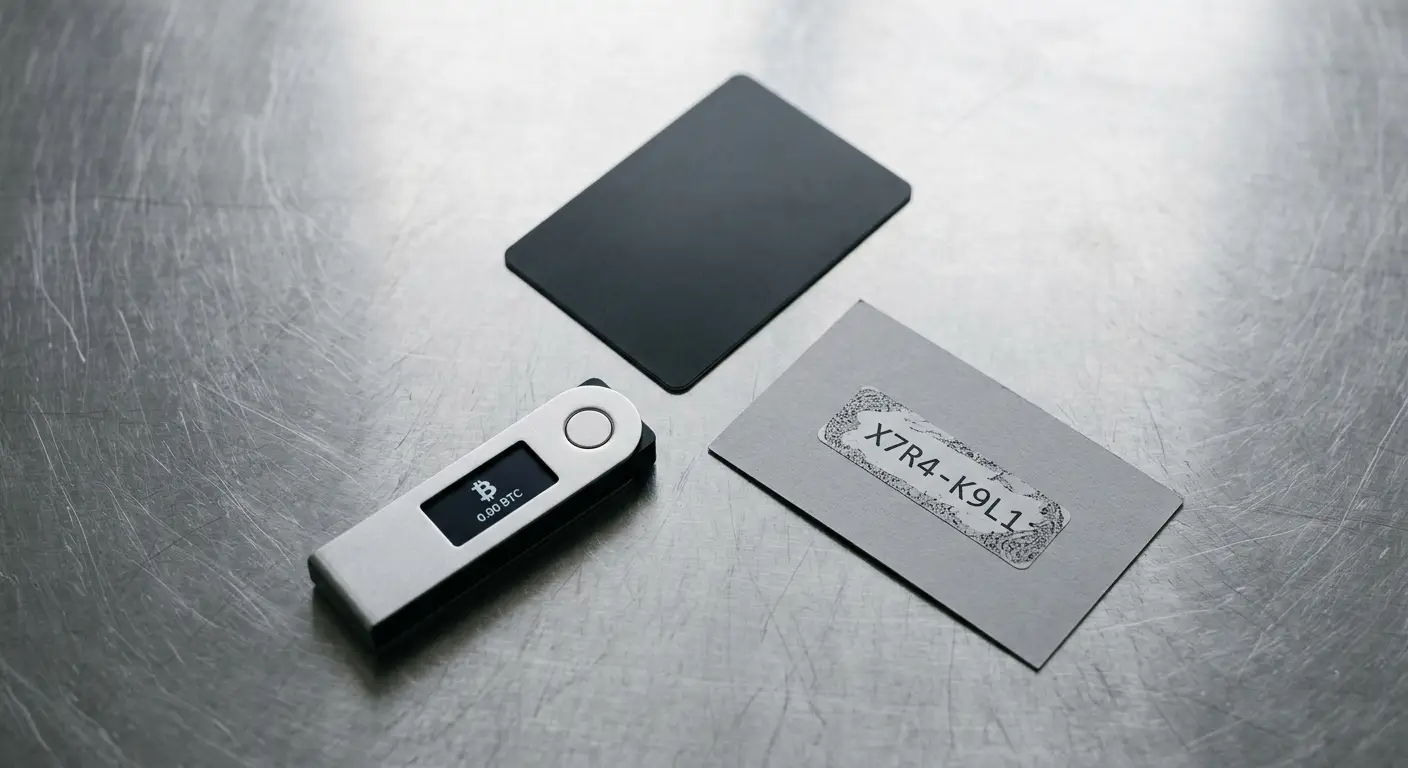
Cryptocurrency is a first-class citizen at most non-GamStop casinos rather than a novelty rail. Bitcoin, Ethereum, Tether (USDT), USDC, Litecoin, Dogecoin, TRON, XRP and Monero appear across the shortlist. MyStake accepts eight coins; DonBet adds Monero and Stellar; Freshbet stocks 20+. Crypto deposits confirm within 10-30 minutes depending on network congestion. Withdrawals are the fastest route to cash. KYC is still required at withdrawal — "no KYC" is marketing language, not a compliant reality in 2026.
Payout Speed, Withdrawal Ceilings and Real‑World Timing
Real numbers from testing across the shortlist, worst-case to best-case:
- Crypto (BTC, USDT, LTC) clears in 10 minutes to a few hours from withdrawal request to wallet, provided KYC is complete and any bonus wagering is cleared.
- E-wallet (Skrill, Neteller, MiFinity) processes within 24 hours at most operators; Rolletto and Rollino consistently hit under 12 hours in real tests.
- Debit card cashouts take one to three business days once processed. Some operators route debit withdrawals via SEPA, which adds delay.
- Bank transfer / SEPA runs one to five business days. Higher ceilings than e-wallets but slowest of the mainstream options.
Withdrawal ceilings sit at around €2,500 daily and €7,500 monthly at typical shortlist operators, rising for verified VIP accounts. Rollino's monthly cap reaches €10,000 at higher tiers. Compare that to the £2,500 max-cashout cap that DonBet applies to bonus-winnings specifically — different constraint, easily confused.
Two rules will save you weeks of frustration. Complete KYC before your first deposit hits the site, not at your first withdrawal request. And never request a withdrawal while a deposit bonus is mid-wagering — the system will either void the wagering or reject the request. Both problems account for most of the "the casino won't pay me" complaints you see on forums.
Fresh arrivals
New British Casinos Not on GamStop to Watch in 2026
New non-GamStop launches into the UK market come in waves — typically after major regulatory events or peak GamStop registration windows. Late 2025 through early 2026 produced BassWin, ZizoBet, BetPortal, Nitrobet, AngliaBet, Rivo and Wildies, among others. Sample small before you deposit meaningfully.
New operators bring bigger headline bonuses, cleaner interfaces and — occasionally — a distinctive product. AngliaBet, launching in 2025, targeted UK players with sterling acceptance and crypto rails. ZizoBet built its position around crypto and no-KYC marketing, which requires careful interpretation given 2026 compliance rules.
Watch for red-flag patterns on new operators. Domain age under 60 days combined with aggressive headline bonuses. "No KYC" claims without a coherent regulator explanation. Customer service that lives only on Telegram or live chat with no email fallback. Irregular-play clauses that grant the operator unilateral power to void winnings on undefined grounds.
Legitimate new casinos take a licence and put a proper support stack behind it. Illegitimate ones treat the marketing spend as the product. The difference shows in the first pre-deposit live chat.
Before any transfer
Red Flags and How to Verify a Non‑GamStop Casino
Six checks separate a non-GamStop casino worth playing from one worth avoiding.
- Licence verification against a live regulator database. The CGA public database is searchable. So is the MGA register. If the operator claims Curaçao but doesn't show a valid LOK licence number, walk. Same for MGA operators without a searchable licence.
- Domain age and reputation. WHOIS records don't lie. A three-week-old domain with a £5,000 welcome bonus and no operator history should raise your hair.
- Withdrawal complaints on gambling forums. Volume matters. A handful of complaints against a large operator can be dismissed as user error or bonus-abuse pushback. A pattern of "withdrawal pending for weeks" reports is the pattern.
- Check for cloned sites. Near-identical URLs impersonating trusted operators appear before major sporting events and around GamStop registration peaks. Always navigate via a verified link from the licence check or a reputable review page, not a search ad.
- Read the terms and conditions. Wagering multiplier, max bet during wagering (£5 during wagering is standard; some operators drop it to £3), max cashout on bonus winnings, and the "irregular play" clause. If it's aggressive, choose another operator.
- Support responsiveness test. Open a live chat during peak UK evening hours and ask a specific pre-deposit question about withdrawals. Response time and answer quality tell you what withdrawal support will look like when it actually matters.

Personal safety
Responsible Gambling Without the GamStop Safety Net
GamStop registration blocks UKGC sites. It does not reach offshore casinos. Which means that if you signed up for GamStop, moving to a non-GamStop site undoes your own decision. Whether that is fine or catastrophic depends on why you registered in the first place.
If GamStop was a short-term breather and you've reset with support, offshore play may be a considered choice. If GamStop was a lifeline, sidestepping it is not a plan.
Reputable non-GamStop casinos offer their own responsible gambling tools. Deposit limits, session limits, site-level self-exclusion (site-specific, not network-wide), reality checks, and cool-off periods. Set them before you deposit, not after you're losing.
Support routes remain available regardless of licence. GamCare, BeGambleAware, the National Gambling Helpline (0808 8020 133), and Gordon Moody all take calls from anyone in the UK regardless of where they have been playing. Financial harm doesn't check licences before it lands.
Bank-level blocks add a layer that GamStop doesn't. Most UK high-street banks and neobanks let you toggle gambling transaction blocks in-app. That block applies to all gambling merchant codes, not just UKGC-licensed sites, so it catches offshore deposits too. If you want a genuine cross-platform brake, that is the tool.
Choose the next task
UKGC‑Licensed British Casinos as a Comparison Point
For completeness, the UKGC-licensed side has weight worth understanding. All British Casino, LeoVegas, 888, Coral, Sky Bet, William Hill, PokerStars Casino, Grosvenor and BetMGM all operate under UKGC licence. Consumer protection is stronger. Bonuses are simpler post-19 January 2026 with the 10x wagering cap and single-product rule. Games run under the £5 stake cap for adults 25+, £2 for 18-24s. GamStop integration is automatic. Complaints route through the licensee's ADR provider.
You lose most of what the offshore market sells. Bigger bonuses, credit card deposits, cryptocurrency, higher slot stakes, autoplay, bonus buy, turbo spins, unlimited free spins packages. You gain a real regulator, tax that goes to research and treatment through the statutory levy, and a route out when things go wrong. The trade is transparent.
An interesting middle path in 2026 has been operators taking multiple licences — running UKGC-facing brands for the UK regulated market alongside offshore-facing brands for players outside GamStop. It does not help the individual player directly, but the same corporate quality control applies to both, where it applies at all.
If you want a British casino that displays a UKGC number and integrates GamStop, the phrase you're searching for is different from the one at the top of this article. This is not that guide. That guide exists at every UKGC-comparison site and comes with a shorter, safer set of trade-offs.
Common questions
Questions people often ask
Is it legal for me to play at a British casino not on GamStop?
Yes. UK law places the licensing obligation on the operator, not the player. The Gambling Act 2005 contains no offence for a UK adult depositing at an offshore-licensed casino. What you lose is UKGC oversight, GamStop integration, and mandatory ADR access. Legal freedom does not equal consumer protection, and the two should not be confused before your first deposit.
Can I use my UK debit card at non-GamStop casinos?
Debit cards work at most non-GamStop operators via international merchant accounts. Some UK banks block gambling transactions to unregulated merchants regardless of card type, so declines are not always the casino's fault. Skrill, Neteller, MiFinity and cryptocurrency work as reliable fallbacks when card payments are refused.
Do British casinos not on GamStop offer free spins bonuses?
Yes, generously. 50 to 500 free spins on first deposits is common. Wagering typically sits at 30x-45x on winnings, with maximum cashout caps in the range of £100-£500 on free spin winnings. Read the individual spin value and the cashout ceiling before treating the headline number as free money. It rarely is.
How fast do non-GamStop British casinos actually pay out?
Cryptocurrency withdrawals clear in minutes to a few hours once KYC is complete. E-wallets like Skrill and Neteller land within 24 hours at the better operators. Debit card and SEPA transfers take one to five business days. Delays typically trace back to incomplete KYC or attempted withdrawals mid-wagering, not to genuine operator misconduct.
What licence should a legit British casino not on GamStop actually hold?
Curaçao under the LOK framework (CGA-issued), Malta MGA, Gibraltar GRA, Kahnawake, or Anjouan represent the meaningful options in 2026. Malta is strictest. Curaçao post-reform is credible. Anjouan is entry-level formal. Verify the licence number on the regulator's public database — not a footer badge, not a screenshot.
Will UKGC affordability checks apply at non-GamStop casinos?
No. UK financial vulnerability and risk assessments only bind UKGC-licensed operators. Offshore casinos run their own AML and KYC procedures, which are typically lighter at deposit but still required at withdrawal. Absence of UK affordability checks means the responsibility for setting deposit limits sits entirely with you.